
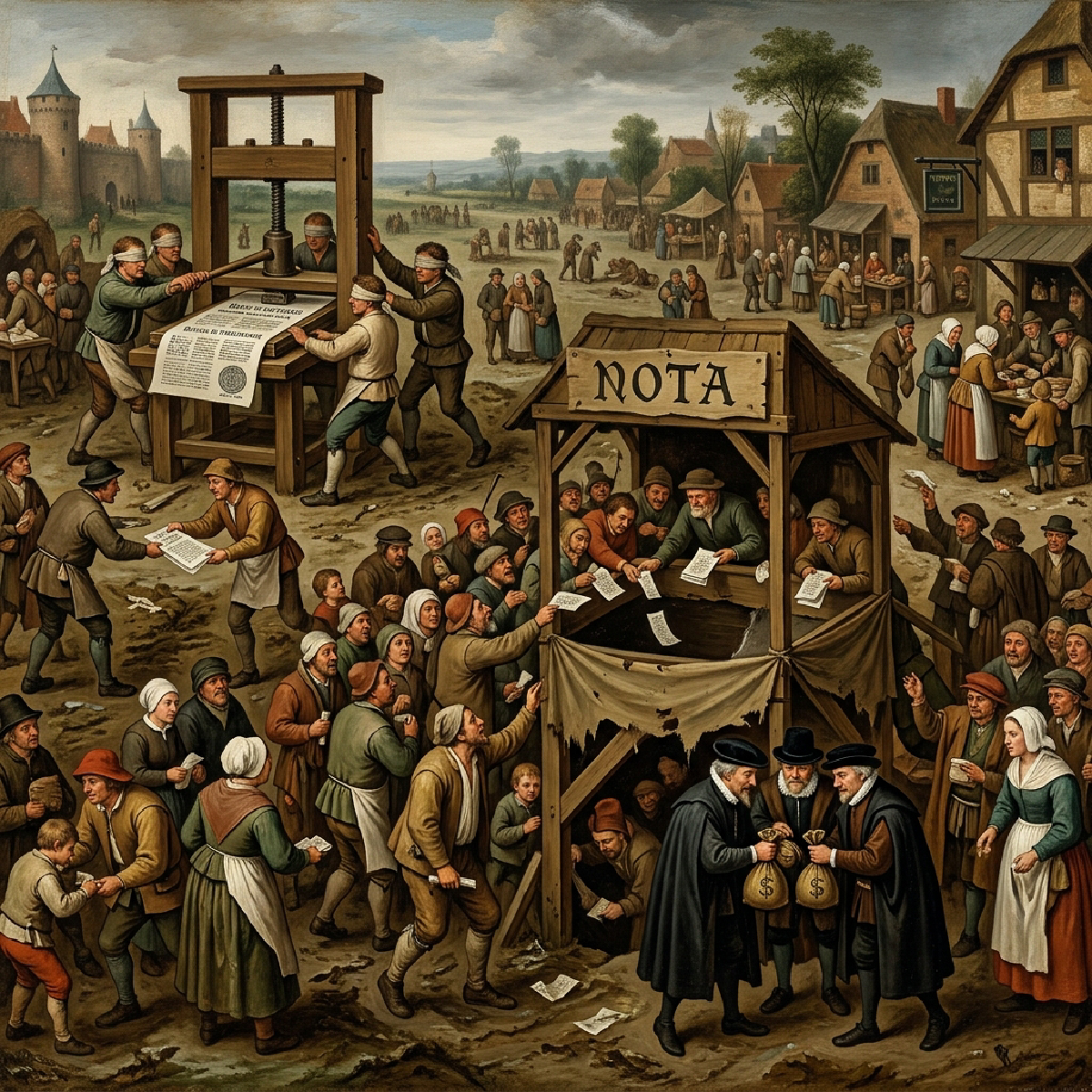

The polling booth is often described as the “sanctum sanctorum” of democracy. However, a deeper look at the hygiene of the electoral process reveals a rigged carnival—a system designed to create the illusion of choice while keeping the underlying power structures bolted firmly in place. To understand why the machine is broken, we must look at the gears of information, finance, and the “cartelization” of the political class.
The NOTA Illusion: Dissent without Power#
“None of the Above” (NOTA) is frequently framed as a powerful tool for registered dissent. In reality, it is a vacuum where intent goes to die. In the current Indian system, NOTA votes have no material impact on the outcome. Even if 99% of a constituency hits NOTA, the single candidate who secures the remaining 1% is declared the winner.
This makes NOTA a purely symbolic act—a way for voters to feel they have “sent a message” while the seat remains firmly in the hands of the very political class they intended to reject. Without a “re-poll” trigger (where a NOTA majority forces a new election with fresh candidates), the button is merely a Release Valve that lets out steam without changing the pressure in the boiler.
The Spending Farce and the Finance Cartel#
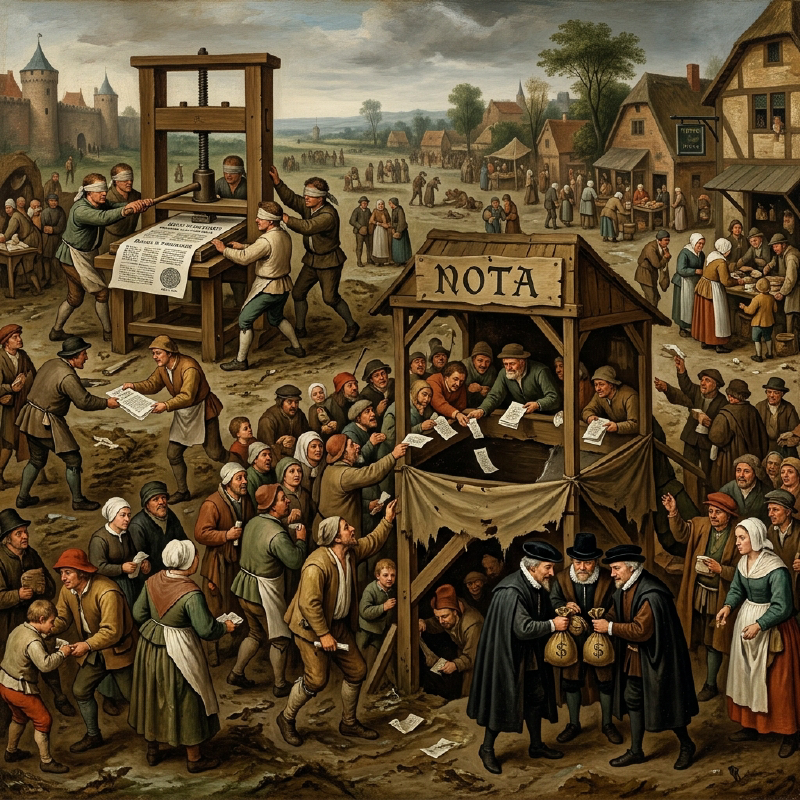
The legal limits on election spending are a public farce. Every candidate and observer knows that the reported expenses are a fraction of the actual “machine” costs—liquor, cash-for-votes, and massive shadow campaigns. These limits don’t stop the flow of money; they only ensure that the money remains opaque and unaccountable.
Furthermore, when the legal survival of the political class is at stake, ideological rivalries vanish. The 2016 retroactive amendment to the FCRA—where the ruling and opposition parties collaborated to sanitize their own illegal foreign contributions—demonstrates that the legislative machinery functions as a unified cartel. The “rules” of electoral hygiene are selectively applied: they are used to gatekeep entry for outsiders while providing an escape hatch for the incumbents.
Information Capture: The Media Loophole#
A democracy is only as healthy as its information ecosystem. In India, a massive structural loophole allows political parties and individual politicians to own and operate the very media outlets that are supposed to report on them.
This creates a total capture of the news cycle. When a “news” channel is a subsidiary of a political brand, journalism is replaced by brand management. The public is not being informed; they are being “conditioned” by a media apparatus that functions as an extension of the party’s communications wing. Without strict “Chinese walls” between political ownership and media operations, the information cartel remains unassailable.
The Missing Mandate: Internal Party Democracy#
Finally, there is the problem of the parties themselves. We demand democracy for the nation, yet we tolerate absolute autocracy within our political parties. Most Indian parties are either family estates or centralized high commands where candidates are chosen by “vibe” and loyalty rather than an internal democratic mandate.
This lack of internal democracy ensures that the “Broken Machine” never fixes itself. The system selects for obedience, not competence. Until we mandate internal primary elections and transparent candidate selection, the ballot box remains a weak tool against a deeply entrenched structural cartel.
Conclusion: Moving the Scoreboard#
To participate in a rigged game is to tell the dealer you approve of his marked cards. There is no reform to be found inside a hollow ballot box. True electoral hygiene requires material changes: re-poll triggers for NOTA, strict media-ownership firewalls, and the democratization of the parties themselves. Until then, the beep of the voting machine is just the sound of the trap snapping shut once again.
This article is a refined synthesis of a series on the structural deficits of the Indian republic. For the raw, visceral accounts of the electoral hygiene trap, you can read the original posts on my personal blog: