
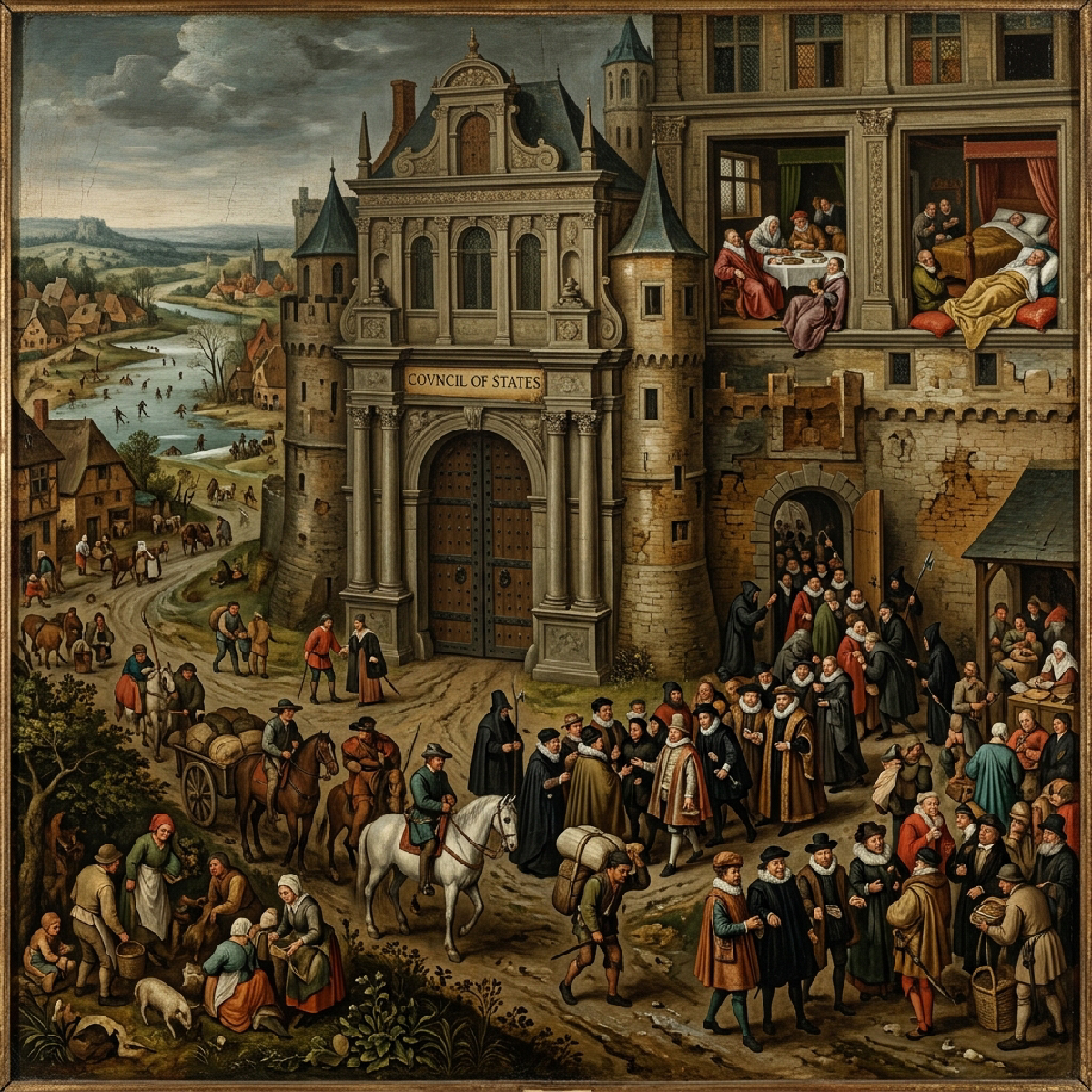

The architecture of a republic is defined by its legislative chambers. In the Indian context, the two-house system was designed to provide a “Council of States” (Rajya Sabha) that would act as a sober check on the populist impulses of the lower house. However, the operational reality of these chambers has diverged sharply from their constitutional intent, evolving into a structural “mirage” that masks a centralized party cartel.
The Rajya Sabha: A Council of Parties#
The Rajya Sabha was envisioned as a permanent body where states would have a protected voice, regardless of the political waves sweeping the Lok Sabha. In practice, however, it has become the “Council of Parties.”
Members are not elected by the people but by state legislators, who are themselves bound by rigid party whips and the Anti-Defection Law. This has turned the upper house into a retirement home for defeated politicians, party financiers, and loyalists who could not win a direct mandate. Instead of representing the interests of a state like Tamil Nadu or Kerala, these representatives function as emissaries for their national party high commands. The “federal shield” is hollow; what remains is a second arena for the same partisan battles fought in the lower house.
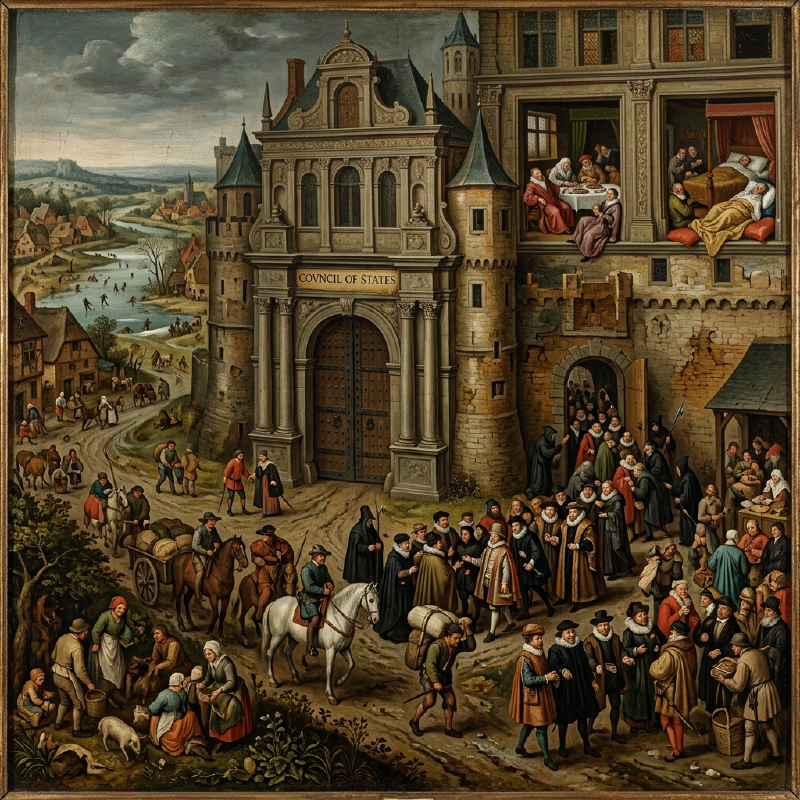
The “Backdoor” to Power#
The upper house serves as a legislative “backdoor.” While democracy has a front door—direct public election—the Rajya Sabha allows those who failed to pass through it to enter power around the side. Through the mechanism of Single Transferable Vote (STV) in state assemblies, party bosses can gift seats to anyone they choose.
This bypasses direct accountability. When a seat can be bestowed as a reward for loyalty or financial support, the institution ceases to be a revising chamber and becomes a instrument of patronage. The 12 President-nominated seats, intended for distinguished artists and scientists, have frequently been used to park political allies, further eroding the chamber’s intellectual and moral authority.
The Useless Hood Ornament: State-Level Councils#
The failure of bicameralism is even more acute at the state level. The Vidhan Parishads (Legislative Councils) are often paraded as chambers of “intellectual review.” In reality, they are taxpayer-funded parking lots for the political class’s leftovers.
They do not check power; they rubber-stamp the monopoly. They drain state resources to provide red-beacon cars and pensions to unelected nobodies. For a state to maintain a second chamber of appointed stooges while the primary assembly is already rotting with corruption is a pathetic delusion. It is like polishing the rust on a car whose engine has already seized.
The Blueprint for Reform: Proportional Unicameralism#
If we are to move beyond this farce, we must rip out the redundant plumbing of the bicameral system and build a machine that reflects the actual will of the people.
- State-Level Unicameralism: Scrap the Vidhan Parishads entirely. A single house is more efficient and more accountable.
- The MMP Model: Implement a Mixed-Member Proportional (MMP) system within a single legislative assembly. Half the seats are elected directly from local constituencies, maintaining the link between a representative and their district. The other half are allocated strictly based on the overall party vote share across the state.
- Mathematical Balance: If a party receives 30% of the vote, they get exactly 30% of the seats—hardcoded into the assembly’s composition. No more “wasted votes” and no more need for a fake “House of Elders” to provide a balance that should be in the math itself.
Conclusion: Diversity vs. The Cartel#
A fair fight is the one thing the political cartel cannot win. They will argue that the common man is too “stupid” for proportional representation or dual-vote ballots. This is the arrogance of the master. The current system is not designed for stability; it is designed for capture. Reforming our legislative design is not just a technical necessity—it is a prerequisite for reclaiming our agency in a diverse republic.
This article is a technical summary of a project originally documented in a more visceral, narrative style. For the raw account of the bicameral failure and the “backdoor” entry, you can read the original posts on my personal blog: